Presentation
COVID-19 closures & learning loss
April 2020

Description
As the coronavirus (COVID-19) pandemic closes schools across the nation, schools and districts are working hard to meet the needs of 55.1 million students in an unprecedented time. While it is difficult to speculate on what missing months of school may mean for student achievement, research on seasonal learning and summer learning loss can offer some insights.
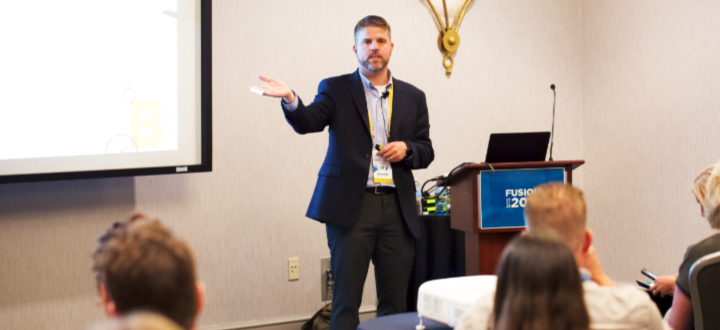
Join the conversation with, Dr. Beth Tarasawa, Sal Khan, Dr. Jesus Jara, and Kimberly Cockrell to learn more about the implications of the research as well as insights for action to help educators, policymakers, and families address and plan for the impacts of this extended pause in classroom instruction.
See MoreAssociated Research

Media mention

Related Topics
Do high flyers maintain their altitude?
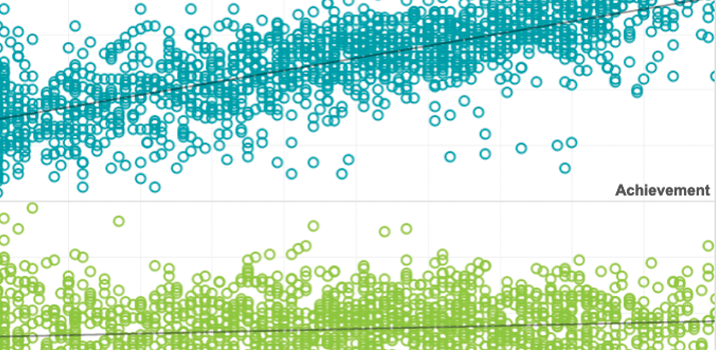
In the visualizations in this exhibit, you can compare the performance and growth of various groups of high achievers to that of their peers over multiple years.
Topics: Equity, High-growth schools & practices
A level playing field: College readiness standards
Some of our assumptions about the growth and performance of students from high-poverty schools relative to their peers from wealthier schools may be challenged in this data gallery, where you can explore how school poverty level interacts with student growth, college readiness, and college access.
Topics: Equity, College & career readiness
A level playing field: College readiness standards
This study examines the academic growth of 35,000 elementary and middle school students in 31 states—all of them high achievers within their own schools—over a three-year period.
Topics: Equity, College & career readiness
Do high flyers maintain their altitude? Performance trends of top students
In this study from the Thomas B. Fordham Institute, achievement trends from NWEA’s longitudinal growth database were used to track students who scored at or above the 90th percentile on this assessment in order to see if they maintained their high achievement.
Topics: Equity, High-growth schools & practices

What does equity and accessibility look like within assessment?
Creating tests and items from the beginning with Universal Design for Learning in mind, removing barriers by adding alt-tags, and incorporating more culturally rich materials are all steps NWEA is doing to improve our equity for all students.
Topics: Equity, Accessibility
NWEA promotes accessibility in assessment with release of image description guidelines
Image descriptions are important to make computer-based assessments accessible to students using assistive technology (AT) devices, such as screen readers and refreshable braille displays. NWEA, with support from the National Center for Accessible Media (NCAM), has created guidelines for describing many variations of images, charts, and graphics targeted specifically to the disciplines of reading, language usage, science, and mathematics.
Topics: Equity, Accessibility

A longitudinal study of reading growth for students with visual impairments
This study compares reading growth for students with visual impairments with a nationally normed group of students from the general population using data from the NWEA MAP Growth assessment.
Topics: Equity, Accessibility, Reading & language arts