Media mention
How to close Boston’s achievement gap during the coronavirus pandemic
2020
The Boston Globe (2020, April 28)

Description
The “COVID slide” will be more profound for students who are unable to access or fully participate in a robust remote learning curriculum. Closing the achievement gap will require Boston city leaders to propose bold, innovative solutions for whenever students are able to return to school in person.
View the sourceRelated Topics

School’s in for Summer: A Scalable and Effective Post-Pandemic Academic Intervention
New research report looks at the effects of post-pandemic summer school on student achievement and district recovery, how program design and implementation aligned with recommended best practices, and how the scale and impact of summer school compared to other interventions, like tutoring.
Topics: COVID-19 & schools, Growth, Seasonal learning patterns & summer loss

Unequal Access to 8th-Grade Algebra: How School Offerings and Placement Practices Limit Opportunity
This NWEA research brief examines how access to early Algebra – a key gateway to advanced high school math, STEM majors, and higher lifetime earnings – remains highly inequitable across the United States. Using NWEA data from 162,000 eighth-grade students across 22 states, the study looks at both whether schools offer Algebra by 8th grade and how students are placed when it is offered. The findings point to significant gaps tied to school poverty levels, geography, and race/ethnicity.
Topics: College & career readiness, Equity, Math & STEM

This is the technical appendix to the “Unequal Access to 8th-Grade Algebra: How School Offerings and Placement Practices Limit Opportunity” research brief, which examines how access to early Algebra remains highly inequitable across the United States.
Products: MAP Growth
Topics: College & career readiness, Equity, Math & STEM
Technical appendix for “Hot test days, lower math scores: How heat affects student achievement”
This is the technical appendix to “Hot test days, lower math scores: How heat affects student achievement” research report that examines the impact of environmental temperatures on student performance in math and reading, and whether those effects are more extreme for students in high-poverty schools, where cooling conditions may be less reliable.
Products: MAP Growth

Hot test days, lower math scores: How heat affects student achievement
This NWEA research report examines the impact of environmental temperatures on student performance in math and reading, and whether those effects are more extreme for students in high-poverty schools, where cooling conditions may be less reliable.
Products: MAP Growth
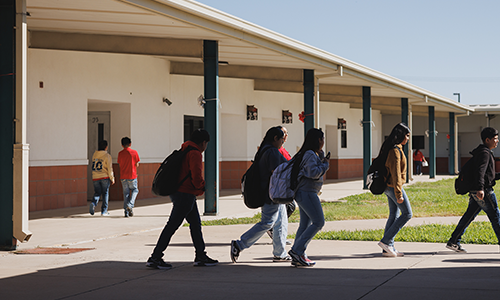
NWEA’s MAP Growth National Dashboard provides timely trends and data on U.S. student academic achievement and growth for grades K-8. This free public tool supports district leaders, state and federal policymakers, and other education stakeholders in interpreting local data within a broader national and state context. It helps identify areas of strength, shine light on disparities, and ground policy conversations in evidence.
Products: MAP Growth
Topics: COVID-19 & schools, Equity, Growth

Specialty Schools National Dashboard
This interactive tool provides information about academic achievement and growth for several categories of US schools that used MAP Growth assessments. These groups included secular and religious private schools (including Roman Catholic, Jewish, Lutheran, Islamic, Seventh-Day Adventist, and other religiously affiliated institutions) as well as public charter schools. Use this dashboard to examine patterns of growth and achievement across seasons, academic subjects, school types, and student demographics.
Products: MAP Growth
Topics: COVID-19 & schools, Equity, Growth