Research brief
Hot test days, lower math scores: How heat affects student achievement
October 2025

Description
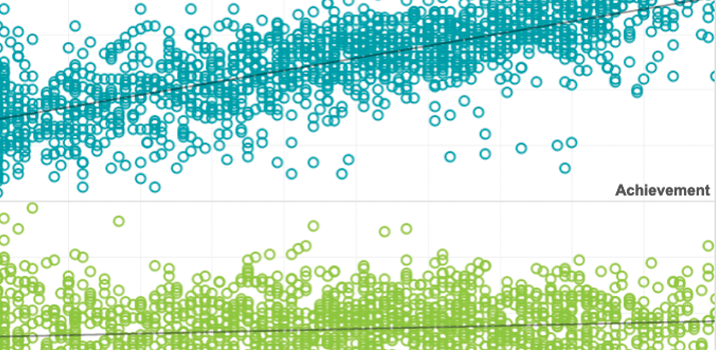
This research report examines a growing challenge for U.S. schools: keeping classrooms cool as longer, more intense heat waves disrupt learning and strain aging infrastructure. As of 2020, about half of schools required HVAC upgrades, and many now face closures or shortened days due to extreme heat. The study combines daily temperature data from various sources with MAP Growth scores for grades 3–8 across six states. Drawing on roughly three million test events from fall 2022, 2023 and 2024, the analysis finds that higher temperatures most strongly affect math scores, with students in high-poverty schools facing the greatest impact.
See MoreRelated Topics

This is the technical appendix for the NWEA research brief titled, “Behind at the Starting Line,” which examines Kindergarten test scores from more than 400,000 U.S. students and noting patterns that can predict academic success or identify students at risk of falling further behind. This early identification is key for educators, enabling them to intervene and influence learning trajectories before the next critical milestone: third grade.
Products: MAP Growth
Topics: Informing instruction, Early learning, Empowering educators, Growth

NWEA research brief examining Kindergarten test scores from more than 400,000 U.S. students and noting patterns that can predict academic success or identify students at risk of falling further behind. This early identification is key for educators, enabling them to intervene and influence learning trajectories before the next critical milestone: third grade.
Products: MAP Growth
Topics: Early learning, Empowering educators, Growth, Informing instruction
This is the technical appendix to the research, “Academically diverse classrooms, deeper needs,” research brief examines the academic diversity of post-COVID classrooms, including the composition and spread of academic achievement levels. Key findings highlight the challenges facing educators as more students are off-track and further behind grade-level proficiency.
Products: MAP Growth
Topics: COVID-19 & schools, Empowering educators, Growth, Informing instruction

Academically diverse classrooms, deeper needs: What teachers face after the pandemic
This research brief examines the academic diversity of post-COVID classrooms, including the composition and spread of academic achievement levels. Key findings highlight the challenges facing educators as more students are off-track and further behind grade-level proficiency.
Products: MAP Growth
Topics: COVID-19 & schools, Empowering educators, Growth, Informing instruction

A Practical Guide for Considering and Interpreting Test Score Differences Among Student Subgroups
This guide offers recommendations for how to understand what differences may exist when looking at data for student groups, and gives leaders some structure for how they might consider and interpret those differences.
Products: MAP Growth
Topics: Empowering educators, Equity, Growth, Guidance

Kindergarten redshirting: What families should know
This is a family facing fact sheet about the data on the practice of delaying kindergarten, known as redshirting. Schools can use this fact sheet with families considering redshirting or who just want more information.
Products: MAP Growth
Topics: Early learning, Growth

Technical Appendix: Should kindergartners be redshirted? Costs likely outweigh academic benefits
This is the technical appendix for the research brief titled, “Should kindergartners be redshirted?” which examines the data on holding back five-year-olds from starting kindergarten – a practice known as redshirting.
Products: MAP Growth
Topics: Growth, Early learning