Seasonal learning patterns & summer loss
Students don’t learn only during the school year, and academic growth trajectories can change as students move from kindergarten through high school. Academic growth patterns across time—both in school and during the summer—can differ for various groups of students, and those patterns can influence academic achievement gaps. Our research advances understanding of seasonal learning patterns, summer loss, and school and non-school contributions to student growth.

Summer learning gaps worsen in higher grades, just not the way you think
Megan Kuhfeld shares surprising early findings from her work exploring patterns in students’ summer learning loss.
Education Week

Summer learning loss: What we know and what we’re learning
In this blog, Megan Kuhfeld shares background on what we know about summer learning loss, and the significant gaps that remain in our understanding that drive her work to take a fresh – and deeper – look at the phenomenon.
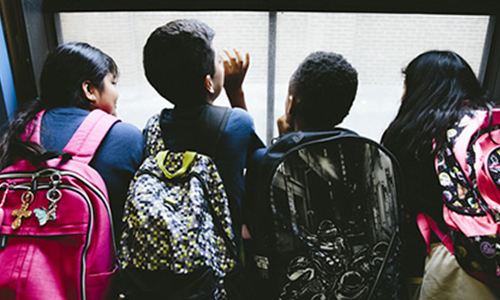
Summer learning loss: Does it widen the achievement gap?
Megan Kuhfeld shares work exploring how differing patterns of summer learning loss or growth may impact academic achievement gaps.
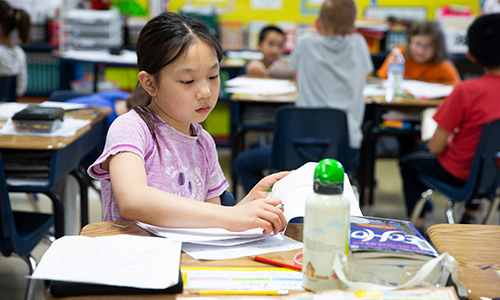
When does inequality grow? School, summer, and achievement gaps
What role does schooling play in the development of racial and ethnic inequalities in academic skills? An analysis of 2M students provides insights into seasonal learning and achievement gaps.
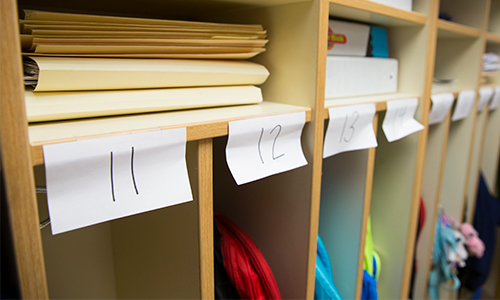
Reconciling long-term education policy goals with short-term school accountability models
Learn more about the effect of seasonality on estimates of school effectiveness and how ignoring summer loss can impact which schools are identified as low performers.
Topics: Growth modeling, Seasonal learning patterns & summer loss, Student growth & accountability policies
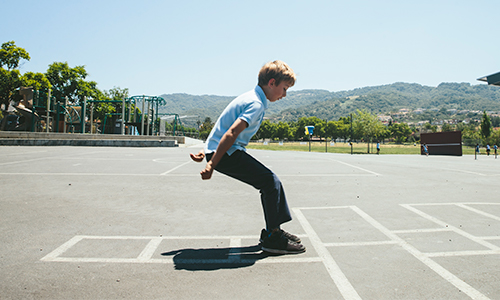
School effectiveness, summer loss and federal accountability
Learn more about the effect of seasonality on estimates of school effectiveness and how ignoring summer loss can impact which schools are identified as low performers.
Topics: Growth modeling, Seasonal learning patterns & summer loss, Student growth & accountability policies

In this study, we examine seasonal patterns of racial/ethnic achievement gaps in kindergarten through eighth grade using a national sample of over two million students.