Presentation
The road to COVID recovery: How districts are seizing the once-in-a-generation opportunity to learn from ESSER interventions
November 2021

Description
The American Rescue Plan provides $122 billion for COVID recovery in schools. With more than 40 state plans approved, how are districts collecting, monitoring, reporting and learning from the unprecedented interventions? What can districts do now to design and implement data collection processes that will shape collective learning? In this webinar, you will hear how district leaders and researchers are approaching this opportunity to alter life outcomes for generations.
See MoreRelated Topics

This is the technical appendix to the research brief, “The Power of Connectedness: A Case for a Coherent Instructional System for Reading and Science Improvement,” which examines the practices and conditions of a coherent instructional system, and where and how it had the most impact.
Products: MAP Growth
Topics: Empowering educators, Growth, Informing instruction, Math & STEM
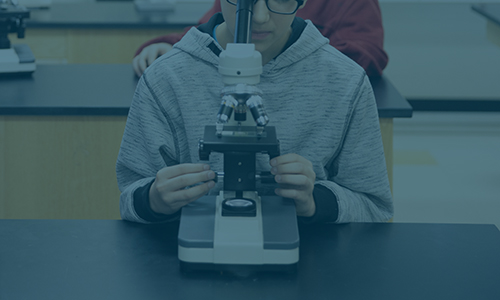
Using a case study from a U.S. school district, this research brief examines the practices and conditions of a coherent instructional system, and where and how it had the most impact. It offers a practical model that leaders can adapt in their own schools to help strengthen instruction across classrooms.
Products: MAP Growth
Topics: Empowering educators, Growth, Informing instruction, Math & STEM
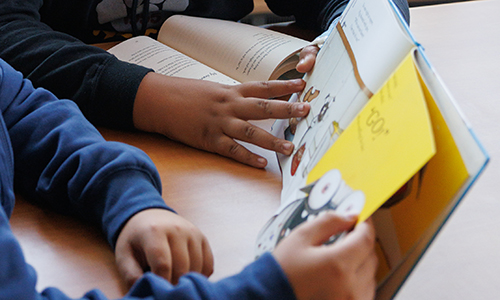
Using data from the MAP Growth National Dashboard, this Trends Snapshot report focuses on academic growth trends post-COVID and points to a positive turn for U.S. reading after years of stagnation. This positive trend was also noted for historically underserved groups who showed the largest reading gains from 2025 to 2026.
Products: MAP Growth
Topics: COVID-19 & schools, Growth, Math & STEM, Reading & language arts
This is the technical appendix to the research brief, “Getting Algebra Placement Right: Expanding Opportunity and Strengthening Preparation,” which examines whether taking Algebra in 8th grade instead of 9th grade improves student outcomes.
Products: MAP Growth
Topics: Empowering educators, Growth, Informing instruction, Math & STEM, Middle school

Getting Algebra Placement Right: Expanding Opportunity and Strengthening Preparation
This research brief examines whether taking Algebra in 8th grade instead of 9th grade improves student outcomes. Using a nationwide sample of MAP Growth scores for middle schoolers, NWEA researchers looked at how many students who were ready for Algebra actually enrolled, and how outcomes were affected for students who were or were not ready for the course.
Products: MAP Growth
Topics: Empowering educators, Growth, Informing instruction, Math & STEM, Middle school

Struggling adolescent readers left behind: Evidence of post-COVID-19 declines and pathways forward
Using data from the MAP Growth National Dashboard, this research brief highlights an urgent challenge in academic recovery: middle school reading. While students have shown encouraging progress in math and elementary reading since the pandemic, reading achievement among grades 6-8 remain stagnant, with the lowest-performing students falling even further behind.
Products: MAP Growth
Topics: COVID-19 & schools, Empowering educators, Growth, Middle school, Reading & language arts
This is the technical appendix to the “Struggling adolescent readers left behind: Evidence of post-COVID-19 declines and pathways forward” research brief, which highlights an urgent challenge in academic recovery: middle school reading.
Products: MAP Growth
Topics: COVID-19 & schools, Empowering educators, Growth, Middle school, Reading & language arts