Data visualization
Exploring the educational impacts of COVID-19
2023

Description
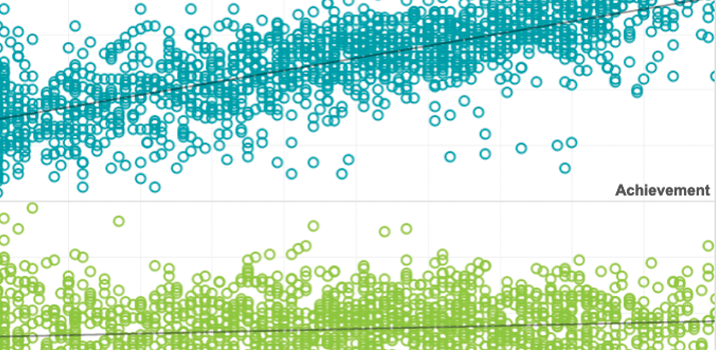
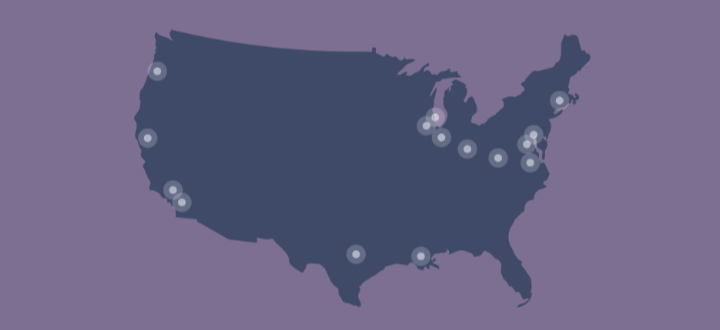
This visualization was developed to provide state-level insights into how students performed on MAP Growth in the 2020–2021 school year. Assessments are one indicator, among many, of the student impact from COVID-19. Our goal with this tool is to create visible data that informs academic recovery efforts that will be necessary in the 2022 school year and beyond.
See MoreAssociated Research
Related Topics

Using data from the MAP Growth National Dashboard, this Trends Snapshot report focuses on academic growth trends post-COVID and points to a positive turn for U.S. reading after years of stagnation. This positive trend was also noted for historically underserved groups who showed the largest reading gains from 2025 to 2026.
Products: MAP Growth
Topics: COVID-19 & schools, Growth, Math & STEM, Reading & language arts
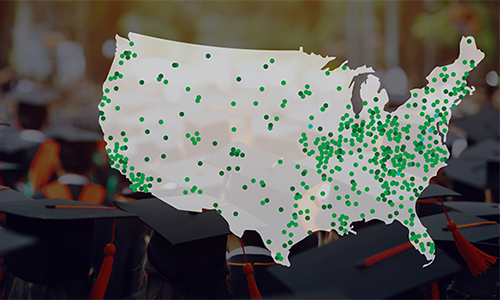
The College Explorer from NWEA® helps students, parents, and teachers develop pathways to higher education. This powerful tool links MAP® Growth™ scores with national benchmarks for colleges, universities, and even specific majors. Together with goal setting and parent conferences, College Explorer can help students develop a plan, consider new possibilities, and put post-secondary dreams within reach.
Topics: Innovations in reporting & assessment, College & career readiness, High school

Struggling adolescent readers left behind: Evidence of post-COVID-19 declines and pathways forward
Using data from the MAP Growth National Dashboard, this research brief highlights an urgent challenge in academic recovery: middle school reading. While students have shown encouraging progress in math and elementary reading since the pandemic, reading achievement among grades 6-8 remain stagnant, with the lowest-performing students falling even further behind.
Products: MAP Growth
Topics: COVID-19 & schools, Empowering educators, Growth, Middle school, Reading & language arts

This is the technical appendix to the “Struggling adolescent readers left behind: Evidence of post-COVID-19 declines and pathways forward” research brief, which highlights an urgent challenge in academic recovery: middle school reading.
Products: MAP Growth
Topics: COVID-19 & schools, Empowering educators, Growth, Middle school, Reading & language arts

How Post‑COVID Norm Shifts Change the Meaning of MAP Growth Metrics for School Accountability
This white paper examines how the 2025 update to NWEA’s MAP® Growth™ national norms changes the interpretation and use of key norm referenced metrics in school accountability contexts. We show how shifts in post COVID achievement and growth patterns and the introduction of NWEA’s enhanced item selection algorithm (EISA), call for careful review of commonly used metrics.
Products: MAP Growth
Topics: COVID-19 & schools, Empowering educators, Growth, Guidance, Measurement & scaling, Student growth & accountability policies
Technical Appendix for Chronic absenteeism: A continued impediment to academic recovery
This is the technical appendix for “Chronic absenteeism: A continued impediment to academic recovery,” research brief, which examines the relationship between chronic absenteeism and academic recovery from COVID-era disruptions to learning.
Products: MAP Growth
Topics: COVID-19 & schools, Growth

Chronic absenteeism: A continued impediment to academic recovery
This research brief examines the relationship between chronic absenteeism and academic recovery from COVID-era disruptions to learning. Using MAP Growth data from 2,000 US school districts, NWEA researchers analyzed whether persistently high absenteeism rates were associated with slower recovery in math and reading.
Products: MAP Growth
Topics: COVID-19 & schools, Growth