Empowering educators
Assessment data can be an important tool for educators to inform instruction and support student learning. Our research seeks to improve reporting and support data-informed decision making.

NWEA research brief examining Kindergarten test scores from more than 400,000 U.S. students and noting patterns that can predict academic success or identify students at risk of falling further behind. This early identification is key for educators, enabling them to intervene and influence learning trajectories before the next critical milestone: third grade.
Products: MAP Growth
Topics: Early learning, Empowering educators, Growth, Informing instruction

This is the technical appendix for the NWEA research brief titled, “Behind at the Starting Line,” which examines Kindergarten test scores from more than 400,000 U.S. students and noting patterns that can predict academic success or identify students at risk of falling further behind. This early identification is key for educators, enabling them to intervene and influence learning trajectories before the next critical milestone: third grade.
Products: MAP Growth
Topics: Informing instruction, Early learning, Empowering educators, Growth
This is the technical appendix to the research, “Academically diverse classrooms, deeper needs,” research brief examines the academic diversity of post-COVID classrooms, including the composition and spread of academic achievement levels. Key findings highlight the challenges facing educators as more students are off-track and further behind grade-level proficiency.
Products: MAP Growth
Topics: COVID-19 & schools, Empowering educators, Growth, Informing instruction

Academically diverse classrooms, deeper needs: What teachers face after the pandemic
This research brief examines the academic diversity of post-COVID classrooms, including the composition and spread of academic achievement levels. Key findings highlight the challenges facing educators as more students are off-track and further behind grade-level proficiency.
Products: MAP Growth
Topics: COVID-19 & schools, Empowering educators, Growth, Informing instruction

A Practical Guide for Considering and Interpreting Test Score Differences Among Student Subgroups
This guide offers recommendations for how to understand what differences may exist when looking at data for student groups, and gives leaders some structure for how they might consider and interpret those differences.
Products: MAP Growth
Topics: Empowering educators, Equity, Growth, Guidance

MAP Growth Goal Explorer User’s Guide and FAQ
This user’s guide for the MAP Growth Goal Explorer describes how to use this interactive tool, the benchmarks it uses to provide context on student growth goals, a framework for goal setting, instructions for how to download information from the tool, and answers to frequently asked questions.
Topics: Innovations in reporting & assessment, Empowering educators
MAP Reading Fluency with Coach Evidence Base
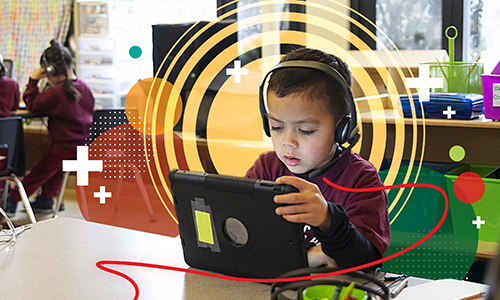
This document provides an overview of the research underlying MAP Reading Fluency with Coach’s AI-powered intelligent reading tutor and the research on key elements of early literacy instruction. It describes the components of the MAP Reading Fluency with Coach pedagogy and the research base supporting each component.
Products: MAP Reading Fluency
Topics: Early learning, Empowering educators, Innovations in reporting & assessment, Reading & language arts