Podcast
The Continuing Educator
What’s next for the science of reading? John Luke Bell, Tiffany Peltier, and Lisa LeBoeuf on how we keep the momentum going
April 20, 2023

Description
The science of reading is both a body of research and movement in literacy education. How do we keep those two things connected when they’re not always aligned? What are most common myths about literacy instruction, how do we fight them? A roundtable of educators and specialists from NWEA join Jacob & Kailey to talk about how the science of reading works best in classrooms and where both the movement and the research are going.
Related Content
Related Topics


Video
How MAP Reading Fluency works as a dyslexia screener
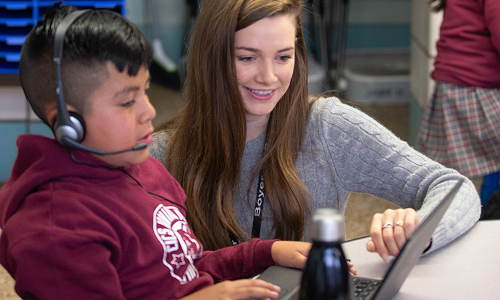
This video walks through how the MAP Reading Fluency Dyslexia Screener supports universal screening in grades K-3. We cover the student testing experience, reports, family conversations, and instructional next steps.
Topics: Assessment, Early learning, Insights & reports, Literacy
Products: MAP Reading Fluency

Webinar
Responding to dyslexia: A framework for success
This webinar shows how educators can move beyond dyslexia screening to take meaningful instructional action. Explore a practical framework for understanding student needs, aligning instruction and intervention, monitoring progress, and adjusting support over time. You’ll also see how MAP® Reading Fluency™ with Coach supports personalized reading practice and ongoing progress monitoring.
Topics: Early learning, Instructional strategies, Literacy, Science of reading
Products: MAP Reading Fluency
Video
This Pennsylvania principal relies on MAP Growth every day
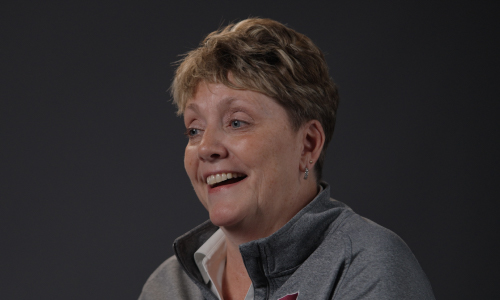
Laura Tobias of State College Area School District, PA, uses MAP Growth data to guide her conversations with teachers, implement new programs, and drive student growth.
Topics: Assessment, Early learning, Insights & reports, Leadership, Literacy, School improvement
Products: MAP Growth, MAP Reading Fluency

Webinar
Start with Tier 1: Building a more coherent MTSS system
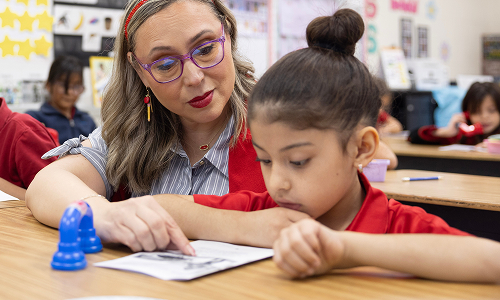
This webinar shows how leaders can use recurring student outcomes as evidence to strengthen Tier 1 instruction and build a more coherent MTSS system. Explore practical strategies for identifying patterns, addressing root causes, and creating greater consistency across classrooms. You’ll also see how Personalized Path helps educators respond to individual needs while supporting grade-level instruction.
Topics: Early learning, Insights & reports, Instructional strategies, Literacy
Products: MAP Reading Fluency


Brochure
Science of Reading Literacy Professional Learning Suite Overview
The Literacy Professional Learning Suite combines expert-led workshops and embedded coaching to help educators build literacy knowledge, strengthen instruction, and support students in developing reading fluency.
Topics: Early learning, Instructional strategies, Literacy, Professional learning, Science of reading
Products: Professional Learning


Guide
MAP Reading Fluency Early Literacy RIT Norms Overview
Explore achievement and growth norms for the MAP Reading Fluency Early Literacy RIT for grades K–5. This guide provides national context for interpreting student achievement and growth across fall, winter, and spring, along with guidance for understanding scores, growth projections, and the universal screening threshold.
Topics: Assessment, Early learning, Insights & reports, Literacy
Products: MAP Reading Fluency

Brochure
MAP Reading Fluency with Coach Reports Portfolio
This brochure helps educators utilize MAP Reading Fluency with Coach’s reports to identify and close K-5 reading gaps.
Topics: Insights & reports, Early learning, Instructional strategies, Literacy
Products: MAP Reading Fluency