Student goal setting is a research-based practice that helps learners understand their progress, take ownership of their growth, and work toward clear academic objectives. When students know where they are and what they’re working toward, they can be more motivated and better prepared to improve.
Implemented consistently, goal setting can support measurable academic growth and build lifelong learning habits.
What is student goal setting?
Goal setting for students is the process of helping learners understand their current performance, identify specific growth targets, collaborate with their teacher, and develop a clear plan to reach those goals.
Why is setting goals important for students
The importance of goal setting for students extends beyond short-term achievement. When goal setting is part of everyday classroom practice, it strengthens how teaching and learning work together and helps create a more intentional, growth-focused environment.
- Goal setting creates clarity within instruction. Clear goals help teachers align lessons, feedback, and formative assessment to specific learning targets, ensuring instruction is intentional and focused.
- Goal setting strengthens teacher-student collaboration. Goal setting provides structured opportunities for meaningful conversations about progress, challenges, and next steps.
- Goal setting supports a culture of growth. When goals are visible and regularly revisited, classrooms shift from focusing on grades to focusing on improvement.
What are the benefits of goal setting for students?
There are many benefits of goal setting for students. Here are a few of the most important ones:
- Students get motivated. Research shows that goal setting is implicit. As soon as a task is introduced, students are already planning how much effort they are going to put in. Setting goals helps students stay motivated and engaged by giving them clear targets to aim for.
- Students take ownership. When students set their own goals, they own their goals and their learning. This sense of control and autonomy has many benefits, including increased self-confidence.
- Students continuously improve through formative assessment. Goal setting works hand-in-hand with formative assessment. Teachers can use goals to guide their instructional strategies and provide targeted feedback, helping students continuously improve.
- Students see their own growth. Goals provide a framework for measuring progress. By setting and achieving goals, students can see their growth over time, which reinforces their learning and development.
What are effective goal-setting strategies for students?
The goal-setting process doesn’t require following strict rules. Effective student goal-setting strategies generally include the following:
- Center student choice. Students should feel like they are in charge of what and how they learn. Centering their choices provides the opportunities for self-reflection and agency that are critical for empowering learners. This is an important idea to incorporate as you’re working with your students on goals.
- Start early. Students can begin setting individual behavioral or academic goals as early as kindergarten. Getting this early start helps students get used to the process. It’s equally important to set goals as early as you can every school year.
- Do it often. Individual goals should be short-term, spanning around four to six weeks. Regular weekly check-ins with students are great for evaluating progress, making adjustments, encouraging students, and helping kids stay focused if they are feeling discouraged.
- Make it visual. Effective goal-setting techniques involve tools like anchor charts, data walls, personalized learning plans, data notebooks, and other student-accessible resources. These ask students to directly identify their goal, describe the steps they should take to get there, and ultimately provide evidence their goal has been reached.
- Create personal relevance. The best goal-setting processes begin during conversations with students about what matters to them. Teachers can use students’ personal aspirations, areas of interest, or experiences as departure points for talking about why setting a goal matters.
What’s the role of assessment data in goal setting?
Assessment data plays a crucial role in goal setting. Accurate assessment data provides the insights that establish where a student is in their learning. It also helps you tailor educational strategies to the student’s individual needs.
How to set goals for students using MAP Growth data
Goal setting works best when it is done with students, not for them. Effective goal setting with students requires intentional time for reflection, conversation, and follow-up. When practiced consistently, goal setting creates a classroom culture where growth is visible and students take an active role in their learning.
Goal setting is an area where MAP® Growth™ really shines, primarily because the growth norms are created from the world’s largest pool of student data. Here’s a simple approach:
Step 1: Analyze your assessment data
Start here! Always get underway by assessing what a student already knows. This is the departure point for helping students make their own next steps and connect with their own growth.
Step 2: Have a conversation
The most important part of goal setting is ensuring students set goals that are meaningful and realistic for them. If goals are created and simply given to a student, the student won’t be invested in the goal. It’s also crucial that the goal centers on the relevant learning that needs to occur, not just on the increase of a number, like a RIT score. The MAP Growth Student Profile report is a great starting point for this conversation.
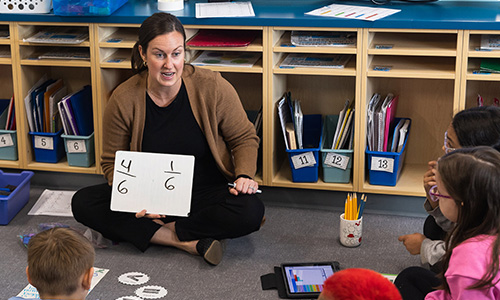
Talk with your student about how they felt when they took the assessment. What did they feel comfortable with? What was challenging? For example, they might say that they felt pretty good about questions related to whole numbers and basic operations but weren’t as sure about the fraction questions.
Step 3: Set a clear, realistic goal
Guide students to create a specific goal focused on skill development, not just a score. Using the Student Profile report as a guide, do the following:
- Look at the goal section of the report with your student. What would be average growth for similar students? Depending on your student’s current achievement percentile, meeting the average growth might be adequate. If they are at the 85th percentile, meeting the growth projection would keep them at roughly that achievement level. If they are below the 50th percentile, above average growth might be needed. A reasonable growth percentile would be at the 60th percentile of growth. This gives a goal for the next MAP Growth assessment, and you’ll need a plan to reach this goal. Focus on the Instructional Areas section of the Student Profile report to determine specifically what learning would help you reach the goal.
- Look at the learning statements. These will provide an idea of the types of questions your student will be able to answer correctly about half the time, or those in their zone of proximal development. Talk with your student about how this data relates to how they feel about their learning and determine a concept and skills that they would like to focus on as you’re going through your next unit.
- Have your student write the goal. Having students write their own goals gives them a sense of ownership. After that, they can determine the steps they can take to meet them, and you can identify how you can support them. It’s also helpful to think about what might get in the way of reaching a goal as well as what can be done to overcome barriers.
Step 4: Identify action steps and check in
Decide together what strategies will help a student reach the goal and schedule regular check-ins to monitor progress and adjust if needed.
What should I do between MAP Growth testing events?
Your students will take MAP Growth three times a year: in the fall, winter, and spring. Between those testing events, it’s helpful to track progress with formative assessment. One of the greatest benefits of formative assessment is that it can help you identify progress toward a goal and course correct if necessary. Just remember: formative assessment should never be used for grading.
You can also strengthen the school-to-home connection by sharing student goals with the student’s family and caregivers with the Family report. Feel free to also share the Family Toolkit, which is loaded with helpful resources.
Finally, be sure to celebrate accomplishments along the way. Encouraging students to be proud of what they’ve achieved can help them stay the course and feel excited and confident about their learning.
Thinking ahead: Setting goals for students
Setting goals for students, like everything else in education, is about preparing the young people in your class for the future. As a proven, research-based practice, it supports academic growth and builds lifelong learning habits. It is a highly effective and practical skill students can carry with them long after they leave school. By starting with students early, you’re giving them an essential tool to use right now and a great head start in life.
For more ideas on how to tackle goal setting in your classroom, read more here in Teach. Learn. Grow. and watch the video below.